I turn abstract ideas about thinking and learning into simple models that people can apply immediately.
I am a learning designer and linguist.
For over 20 years, I have designed learning, tasks and assessments for universities, professionals and organisations.
Tell me what people need to be able to do. I work backwards from there.
I identify what is preventing performance and develop the tasks, assessments and learning structures needed to close the gap.
I design around those needs, not around content delivery or linear progression.
How I work
We begin with a concrete situation.
We define what needs to happen, under what conditions, and what successful performance looks like.
I then design the tasks, assessments, tools and learning structures needed to support it.
The work develops iteratively. Each stage provides evidence that shapes what happens next.
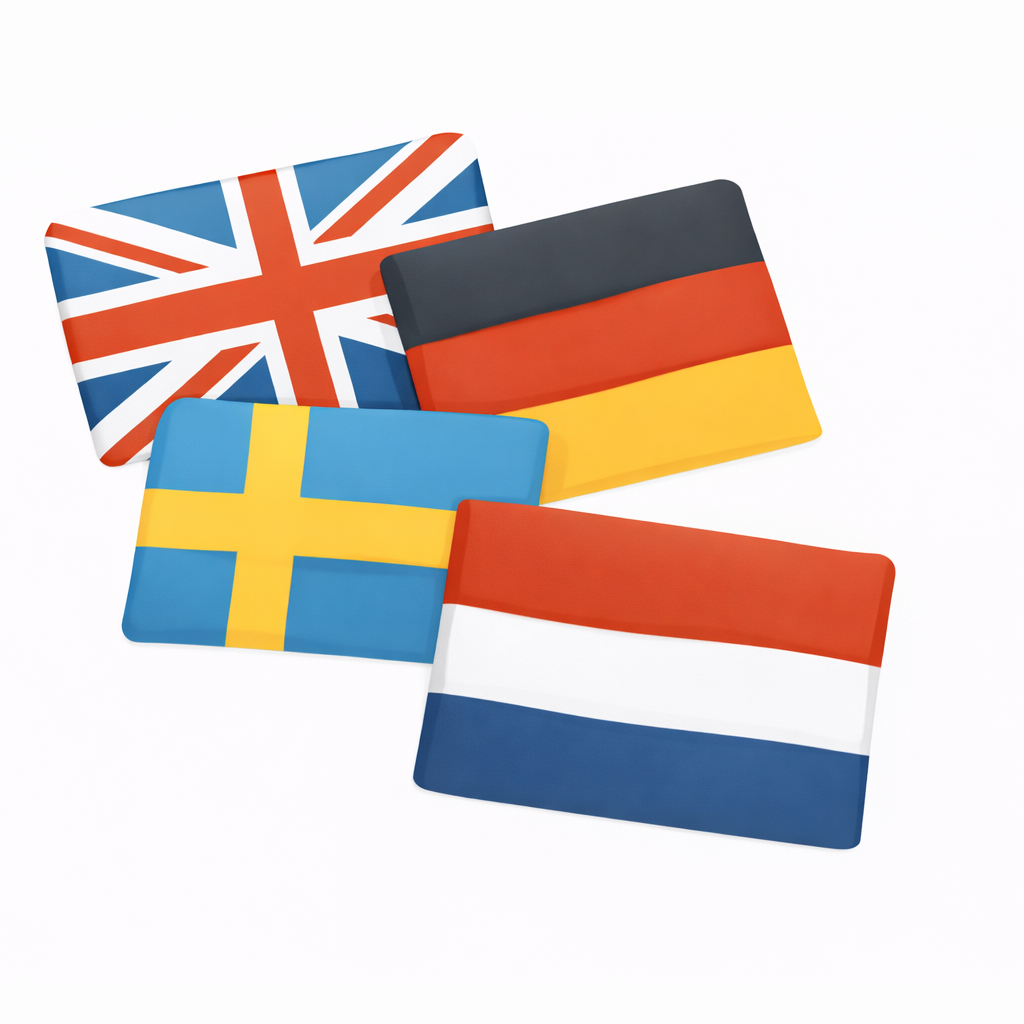
Language education is one part of this work. I work in English, German, Swedish and Dutch with individuals and teams in situations where language needs to function.
How the work is structured
Most training starts by deciding what people need to learn.
This work starts by deciding what people need to be able to do.
Then the process is simple:
Input → Output → Review
Input
Give people the information, models, language or tools they need for the task.
Output
Ask them to do something with it: explain, decide, communicate, produce or perform.
Review
Look at the result. What worked? What got in the way? What needs to improve?
That review determines what happens next.
Instead of teaching everything first and testing at the end, the work develops through repeated cycles of doing, reviewing and adjusting.
Support is added when it is needed and reduced when it is no longer needed.
The aim is greater independence.
Project Examples
Designed assessments that show what students can do.
Created simple models for meetings, presentations and professional communication.
Designed language learning for real situations.
Redesigned tasks that were not measuring the right things.
Turned complex ideas about thinking and learning into simple tools.
Designed activities where people learn by using what they are learning.
Who it is for
I work with individuals, teams, universities and organisations.
This includes professionals, international teams, and learning and development teams.
The work is relevant when:
- people know something but struggle to use it;
- training is not producing the expected results;
- tasks or assessments are not showing what people can actually do;
- people need to communicate, make decisions or solve problems more effectively;
- language needs to work in real situations such as meetings, presentations or professional communication.
The situations may differ.
The starting point is the same.
What I do not offer
I do not offer standard language courses, textbook-based teaching or ready-made training programmes organised around content coverage.
Collaboration
You do not need to begin with a course, workshop or training programme.
You can begin with a situation that is not working as it should.
Each collaboration is organised around:
- a clearly defined situation;
- an observable change in performance;
- continuous review and adaptation.
The form and duration of the work depend on the situation, the starting point and the intended outcome.
Most collaborations last from several weeks to several months.
Start with the problem, not the solution.
Contact
You do not need to know what kind of training or learning solution you need.
Tell me what is not working and what people need to be able to do instead.
I work backwards from there.